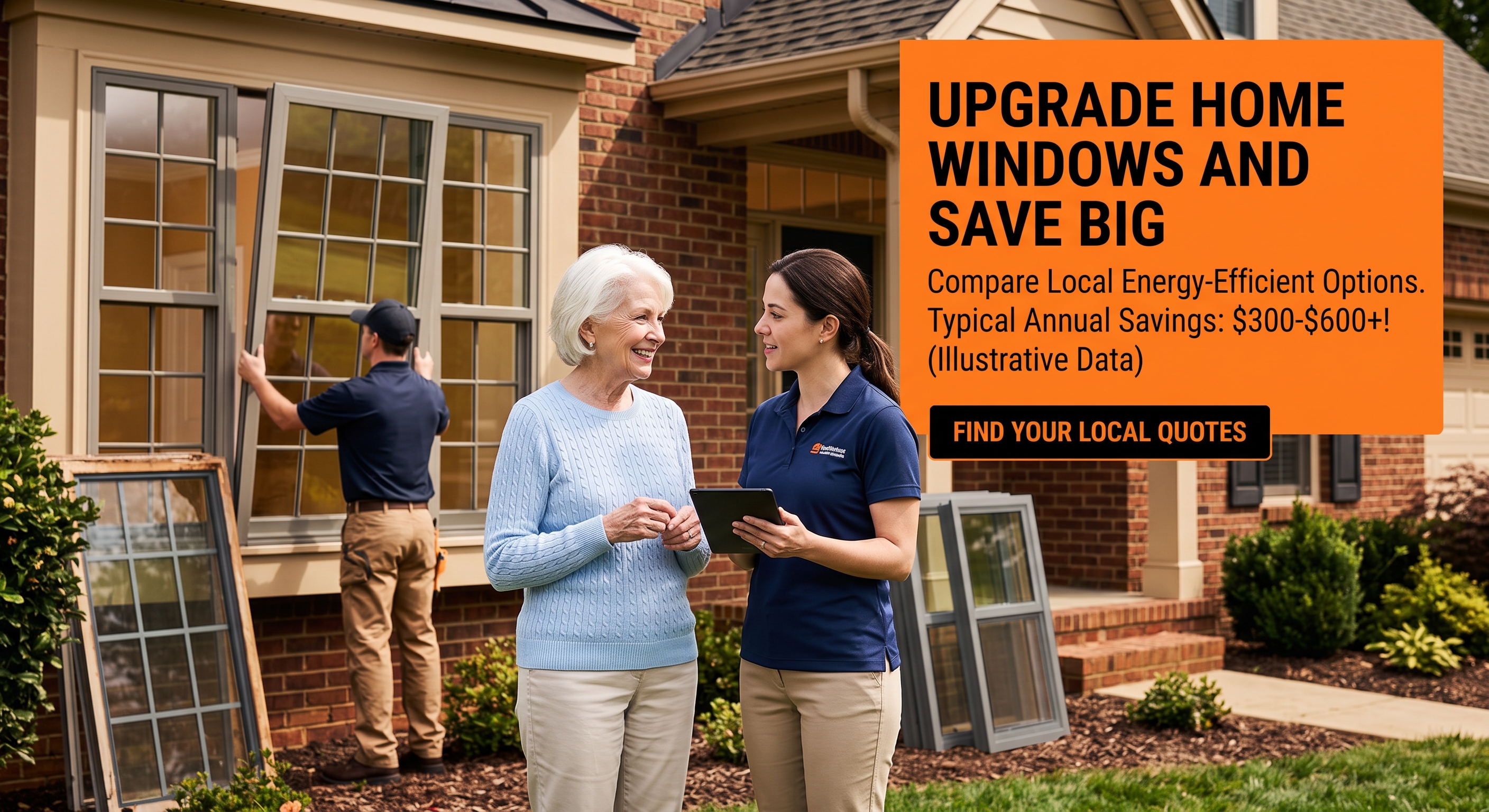
The “$300–$600+ typical annual savings” line on this graphic is labeled illustrative. It is an example, not a quote and not a typical result. Installed cost depends on window count, material, glass package, labor, and the condition of the existing openings.
Start with the bid, not the average
Consumer guides for 2025–2026 usually place an installed replacement window in a wide band: a few hundred dollars per opening on the low side for a basic vinyl insert, and well over a thousand dollars for larger units, wood or fiberglass, triple-pane, impact glass, or a full-frame tear-out. Multiply by the number of openings, then add trim and any rot the installer finds.
That spread is context. It is not a price for your house.
Published ranges often run about $350–$1,200+ installed. Your bid can land outside that.
ENERGY STAR: replacing single-pane with certified units lowers household energy bills by an average of up to 13% nationwide. Average, not a promise.
ENERGY STAR consumer copy has used about $200–$600 a year depending on climate and what you replace. Results vary.
DOE materials cite windows as a large share of heating and cooling energy (often 25–30%). Glass is a small wall area with an outsized load.
See what crews near you are quoting
Availability and pricing change by market. Checking your area is a request — not a purchase.
Check your area You can leave the form at any timeWhat the invoice is actually for
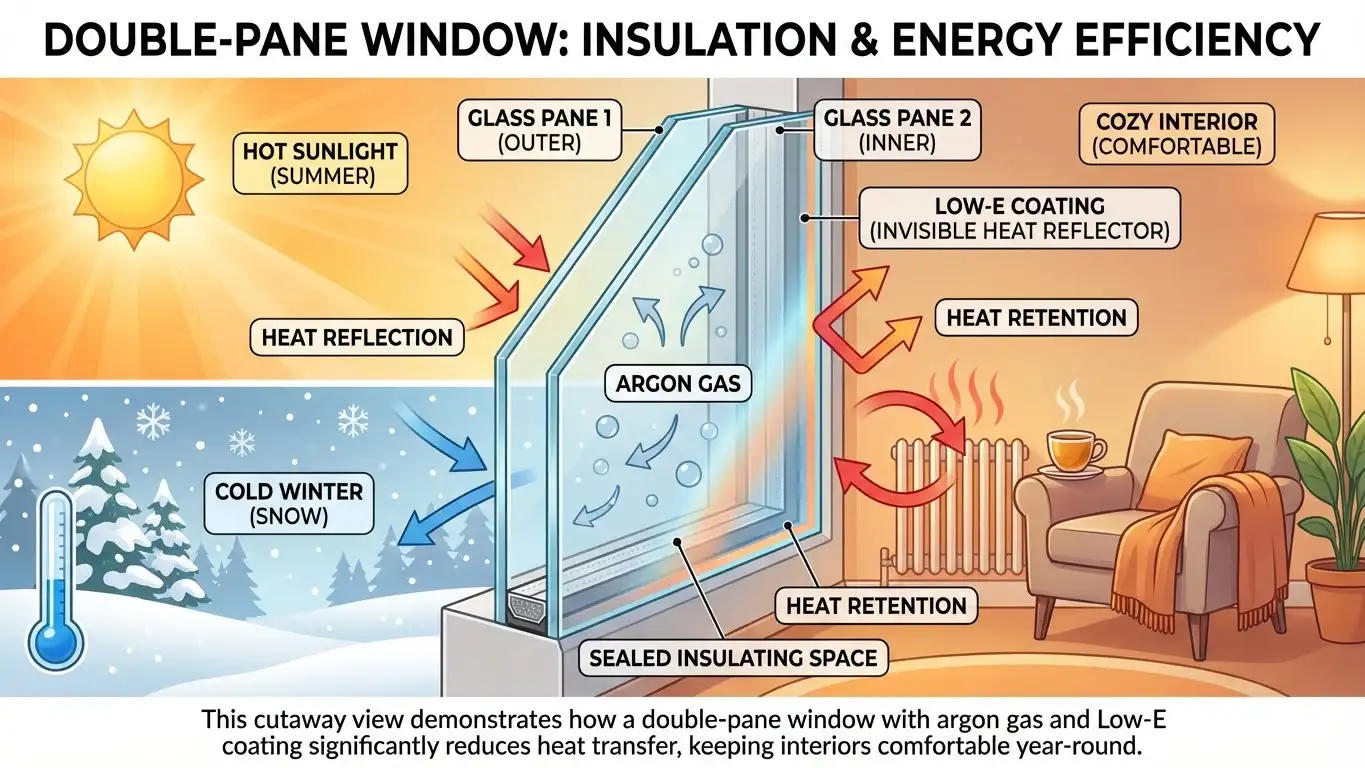
Two panes, a sealed gap, a coating that reflects heat. Climate-zone ratings differ by product.
Why heat-blocking glass is on the electric bill
ENERGY STAR notes a standard double-pane unit can admit about 75% of the sun’s heat. Low solar-gain glass is meant to cut that load so west rooms may lean less on the air conditioner. A leaky attic can erase the difference.
In heating climates you still want a low U-factor. South glass may want winter sun — a higher SHGC, not a lower one. Match the ENERGY STAR zone to the house.
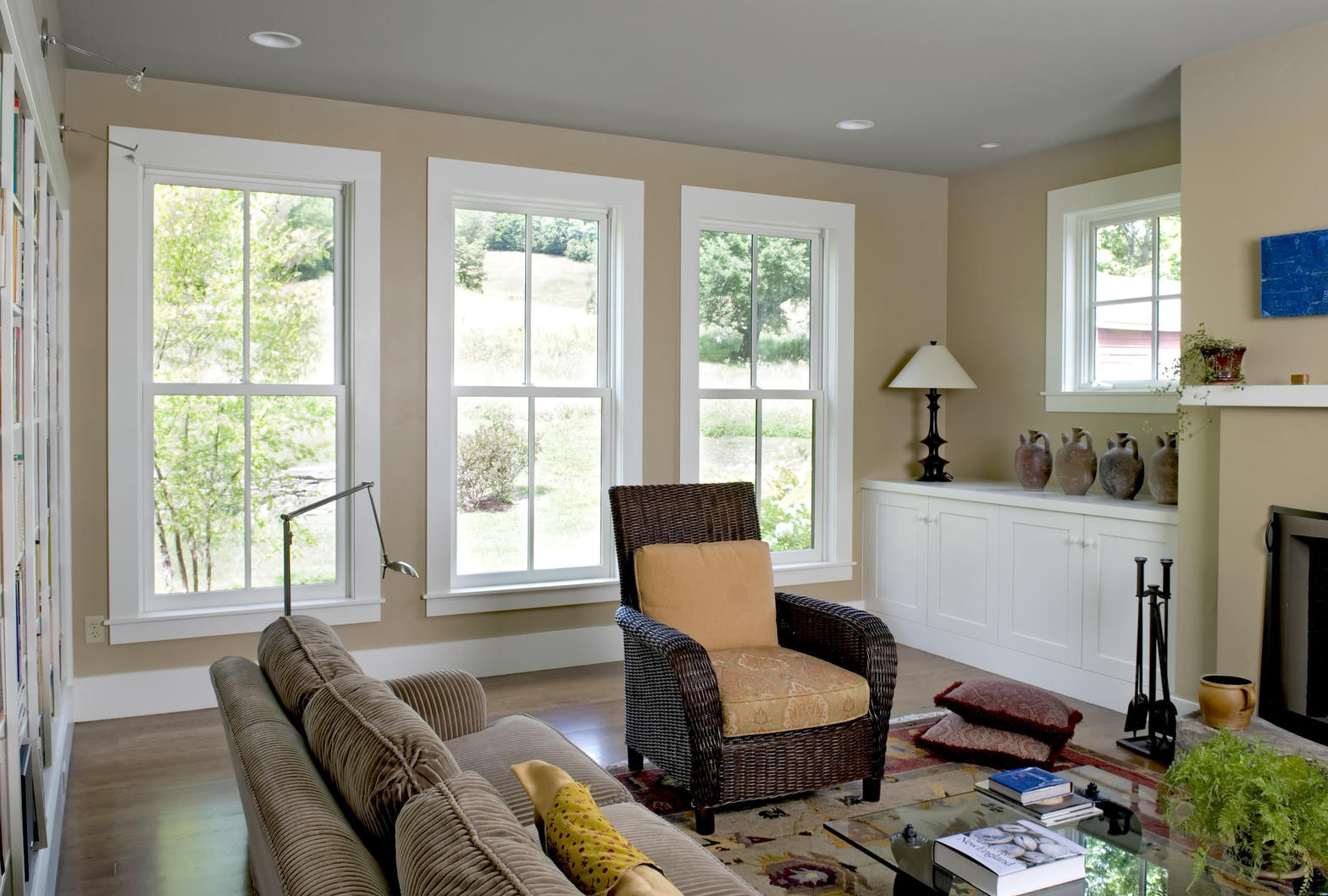
Afternoon sun shows up in the room first. Comfort is not a guaranteed kilowatt-hour cut.
Upkeep that never hits the utility statement
Fogged panes mean the seal failed. Drafty sashes dump conditioned air. Cold glass sweats on paint and sills. Unfiltered sun fades floors. Replacement can reduce those costs. It does not make a house maintenance-free.
Check whether a local estimate is offered
The next page asks for your area so a participating provider can see if they serve it. That is not an approval.
Check your area No obligation to book workHow to read a window quote
- Count every opening, including sliders and unusual shapes.
- Mark insert vs. full-frame on each unit.
- Take U-factor and SHGC from the NFRC label for your zone.
- Confirm interior and exterior finish is in the number.
- Ask lead time. Many units are made to order.
- Treat energy talk as a model, not a check.
Incentives change. Ask the contractor and a tax professional. This page is not tax advice.
After you click
You leave Windows Upgrade Journal for a third-party form. That operator may match you with a local company and may call or email. Read their consent language before you send a phone number. This site does not install windows or set prices.
FAQ
Can you price my house from this page?
No. Only a measured bid can. Ranges here are context.
Will new windows cut my bill by a set amount?
No. ENERGY STAR publishes national averages for certified replacements versus poor-performing glass. Your house is not that average.
Is this journalism?
No. This is an advertorial — paid promotional content for an estimate offer.
Who calls me?
A provider or partner tied to findmywindowpro.com, not the staff of this briefing. You can decline.
Get a local read on 2026 window pricing
Compare what is offered near you with the glass you have now.
Check your area Subject to local providers